Chapter 1
From Safdarjung To Palam
From Safdarjung To Palam centres on 1930s–40s: Palam airfield served early civil and military aviation. It belongs to the earliest recorded phase of organised aviation around Delhi. This part of the timeline shows how local geography, the city's travel needs and changes in Indian civil aviation shaped the airport rather than producing it in a single construction phase.
That development set the stage for 1962, when civil operations shifted from safdarjung to palam. For present-day travellers, the sequence helps explain why older airport names can survive in directions, why terminals or access roads occupy their current sites, and why expansion at Indira Gandhi International Airport has often happened in carefully planned stages.
Chapter 2
A Capital Gateway Takes Shape
A Capital Gateway Takes Shape centres on 1962: Civil operations shifted from Safdarjung to Palam. It followed the 1930s–40s milestone, when palam airfield served early civil and military aviation. This part of the timeline shows how local geography, the city's travel needs and changes in Indian civil aviation shaped the airport rather than producing it in a single construction phase.
That development set the stage for 1986, when the airport was renamed for indira gandhi. For present-day travellers, the sequence helps explain why older airport names can survive in directions, why terminals or access roads occupy their current sites, and why expansion at Indira Gandhi International Airport has often happened in carefully planned stages.
Chapter 3
The Public–Private Modernisation Era
The Public–Private Modernisation Era centres on 1986: The airport was renamed for Indira Gandhi. It followed the 1962 milestone, when civil operations shifted from safdarjung to palam. This part of the timeline shows how local geography, the city's travel needs and changes in Indian civil aviation shaped the airport rather than producing it in a single construction phase.
That development set the stage for 2006, when delhi international airport limited began modernisation. For present-day travellers, the sequence helps explain why older airport names can survive in directions, why terminals or access roads occupy their current sites, and why expansion at Indira Gandhi International Airport has often happened in carefully planned stages.
Chapter 4
Terminal 3 Changes The Experience
Terminal 3 Changes The Experience centres on 2006: Delhi International Airport Limited began modernisation. It followed the 1986 milestone, when the airport was renamed for indira gandhi. This part of the timeline shows how local geography, the city's travel needs and changes in Indian civil aviation shaped the airport rather than producing it in a single construction phase.
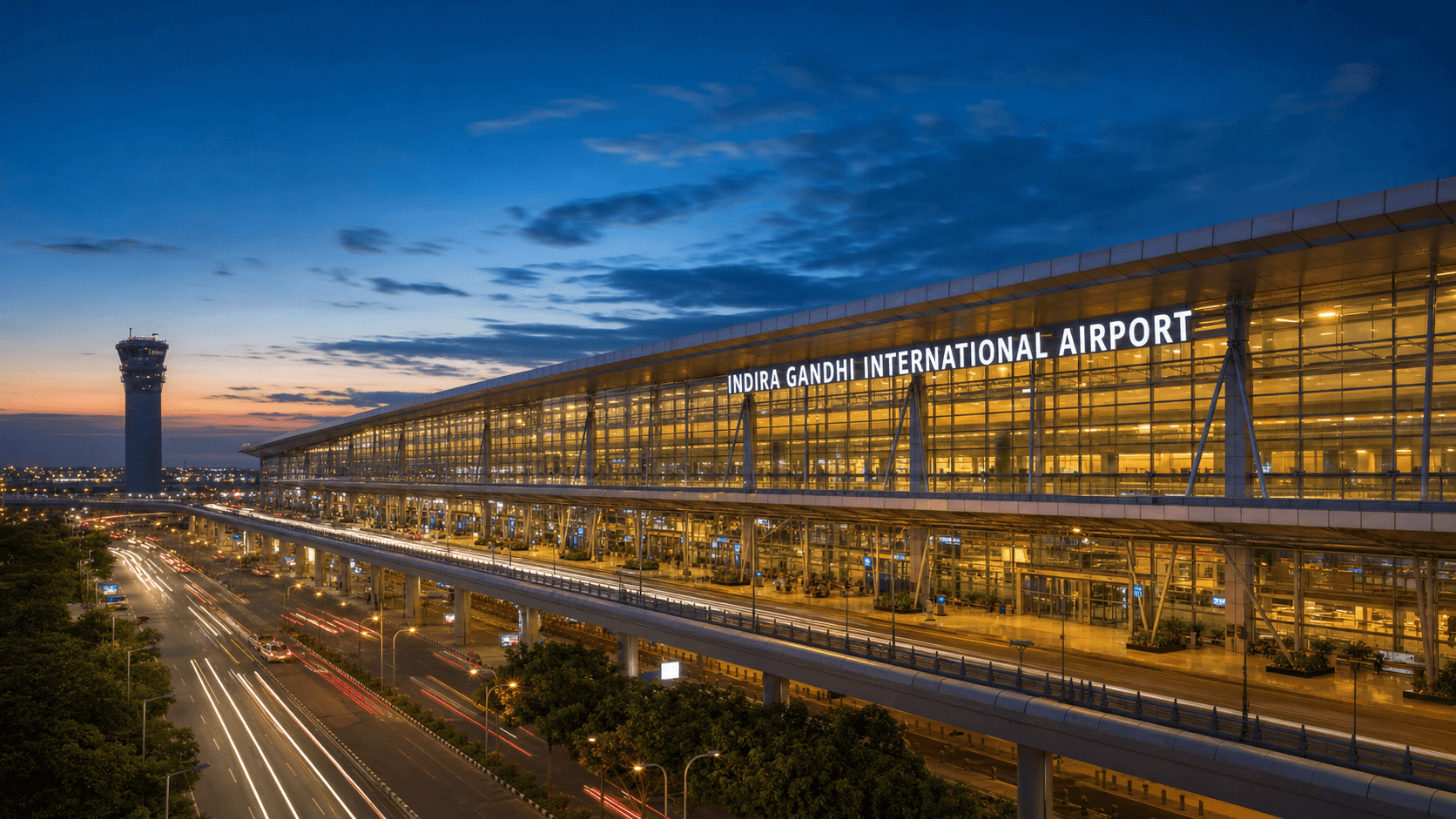
That development set the stage for 2010, when terminal 3 opened before the commonwealth games. For present-day travellers, the sequence helps explain why older airport names can survive in directions, why terminals or access roads occupy their current sites, and why expansion at Indira Gandhi International Airport has often happened in carefully planned stages.
Chapter 5
Runways, Metro And Regional Connectivity
Runways, Metro And Regional Connectivity centres on 2010: Terminal 3 opened before the Commonwealth Games. It followed the 2006 milestone, when delhi international airport limited began modernisation. This part of the timeline shows how local geography, the city's travel needs and changes in Indian civil aviation shaped the airport rather than producing it in a single construction phase.
That development set the stage for 2023, when a fourth runway and eastern cross taxiway expanded capacity. For present-day travellers, the sequence helps explain why older airport names can survive in directions, why terminals or access roads occupy their current sites, and why expansion at Indira Gandhi International Airport has often happened in carefully planned stages.
Chapter 6
Delhi Airport Today And Tomorrow
Delhi Airport Today And Tomorrow centres on 2023: A fourth runway and Eastern Cross Taxiway expanded capacity. It followed the 2010 milestone, when terminal 3 opened before the commonwealth games. This part of the timeline shows how local geography, the city's travel needs and changes in Indian civil aviation shaped the airport rather than producing it in a single construction phase.
Its effects remain visible in the scale, layout and operating role of DEL today. For present-day travellers, the sequence helps explain why older airport names can survive in directions, why terminals or access roads occupy their current sites, and why expansion at Indira Gandhi International Airport has often happened in carefully planned stages.
How this history helps your trip
Knowing how DEL evolved helps explain terminal separation, road approaches, transfer times and why older names still appear in directions. Before travelling, confirm your terminal with the airline, allow time for city traffic and use the current airport guide for practical services. Historical context is valuable, but live operating information should always take priority on the day of travel.